 EN (full site)
 ITA
ITA FRA
FRA POR
POR ESP
ESP CAT
CAT DEU
DEU NED
NED HUN
HUN
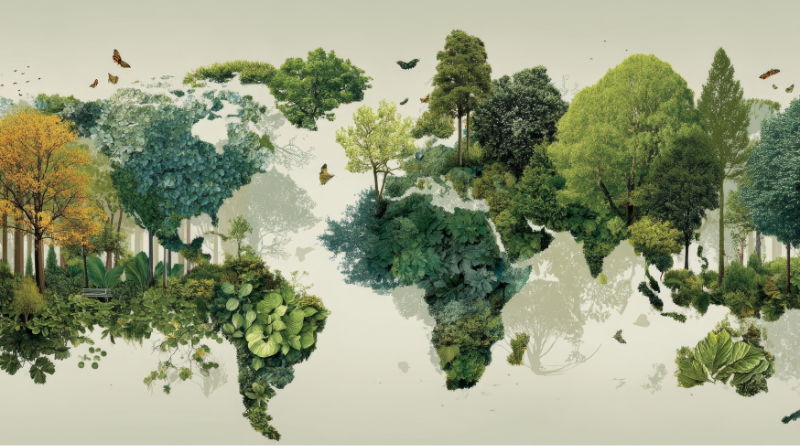
Are you already excited about EWWR 2026? We certainly are! And we have great news: the new thematic focus is here, so you can start getting inspired and preparing your action.
In 2026, EWWR shines the spotlight on Material Sufficiency, a powerful approach to reducing waste by rethinking how much we consume, what we truly need, and how we organise our systems of production and consumption. Sufficiency is about ensuring wellbeing for all while respecting planetary boundaries. It challenges us to move beyond managing waste and instead prevent it at its source.
Are you a public authority?
Public authorities play a crucial role in shaping infrastructure, regulations and public procurement systems. You can lead by example and support resource-wise approaches by:
-
Integrating sufficiency criteria into public procurement
-
Developing waste prevention strategies for large events
-
Supporting local reuse and repair centres
-
Promoting shared public infrastructure and services
-
Encouraging efficient use of public buildings and spaces
Are you a private entrepreneur?
Businesses are key actors in reducing material use and reshaping consumption patterns. Sufficiency creates opportunities for innovation by focusing on durability, service-based models and customer trust. You can:
-
Develop product-as-a-service models
-
Offer repair and maintenance services
-
Design long-lasting products
-
Reduce packaging and material intensity
-
Facilitate second-hand or refurbishment systems
-
Educate customers on sustainable use
Are you a not-for-profit professional?
NGOs and civil society organisations are powerful drivers of behavioural and systemic change. You can:
-
Raise awareness about sufficiency and waste prevention
-
Organise repair cafés, swap events and sharing initiatives
-
Support vulnerable communities through redistribution networks
-
Advocate for policy frameworks that prioritise prevention
-
Facilitate dialogue between citizens, businesses and authorities
By building community-based solutions, you help make sufficiency tangible and inclusive.
Are you an educator?
Education is essential to shaping long-term change. You can:
-
Integrate sufficiency and waste prevention into curricula
-
Organise hands-on activities (repair workshops, upcycling labs, sharing projects)
-
Encourage critical thinking about consumption patterns
-
Promote school-wide waste prevention strategies
-
Engage students in EWWR actions
Empowering young people with the knowledge and skills to rethink material use is one of the most effective long-term strategies for change.
Are you a citizen?
Everyday choices matter, and collective action amplifies impact. You can:
-
Buy only what you truly need
-
Choose durable and repairable products
-
Repair before replacing
-
Borrow, share or rent instead of owning
-
Support second-hand markets
-
Reduce food waste
-
Participate in local EWWR actions
Sufficiency does not reduce quality of life, on the contrary, it enhances it by focusing on what truly brings value and wellbeing.
Join the EWWR 2026 (21-29 November)
Material sufficiency is about redesigning our systems to ensure fairness, resilience and sustainability. Thousands of actions across Europe already demonstrate that living well with fewer materials is not only possible, it is desirable.
- Registrations will open in September 2026.
- It’s not mandatory to focus your action on the annual topic, you can get inspired also by previous editions: check the thematic pages of past editions!
Get inspired.
Organise your action.
Contribute to a resource-wise and climate-resilient Europe.